
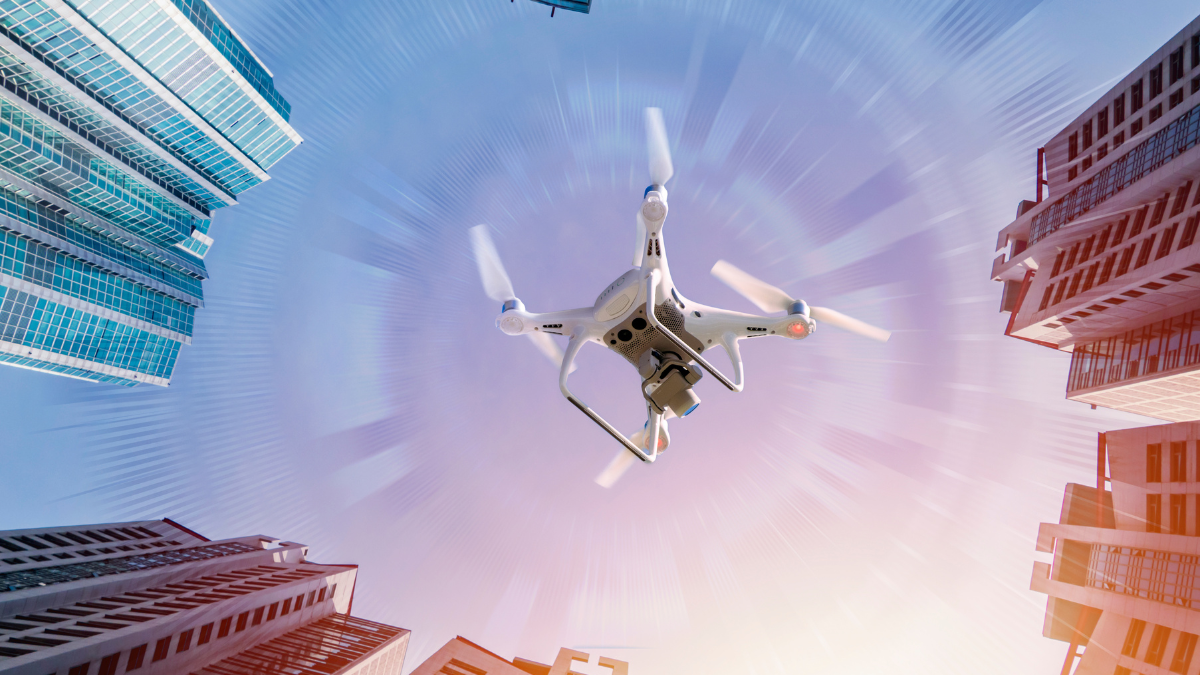
In an age where geopolitical tension and technology are converging, India is quietly cultivating one of its strongest strategic advantages: indigenous defence-tech. And leading that silent charge is Raphe mPhibr, a Noida-based drone manufacturing startup that just raised $100 million, the largest investment in aerospace manufacturing by General Catalyst.
This isn’t just a win for the startup. It signals a watershed moment for India’s UAV ecosystem—an inflection point where global capital, domestic innovation, and national security converge.
The Investment That Made Heads Turn
Led by General Catalyst, with participation from Think Investments, Amal Parikh, and multiple family offices, this funding round underscores growing global investor confidence in India’s deep-tech manufacturing capabilities.
“This isn’t about drones alone,” says a senior aerospace analyst. “It’s about who builds them, where they’re built, and what they enable. Raphe mPhibr is stitching together sovereign capability with futuristic technology—a rare feat in Asia.”
Inside Raphe mPhibr: Brothers on a Mission
Founded by Vivek Mishra (CEO) and Vikash Mishra (Chairman), Raphe mPhibr has quickly established itself as a homegrown force in India’s strategic-tech sector. From drone swarm platforms (mR10) to high-altitude logistics systems (mR20) and man-portable surveillance drones (Bharat), the firm is building across both civilian and military-grade UAV domains.
Its compact maritime surveillance system, X8, aims to reimagine coastal security, while Raphe’s participation in Operation Sindoor adds a layer of battle-proven credibility. These are not prototypes—they are operational systems with impact.
Strategic Sovereignty, Not Just Startup Hype
General Catalyst’s Neeraj Arora describes Raphe as a company embodying the firm’s Global Resilience thesis—a belief in building solutions that are secure, sovereign, and sustainable.
That framing matters. India’s drone sector has long struggled with dependency on imports for components or complete systems. Raphe mPhibr’s vertically integrated design-manufacture-deploy model is a blueprint for India’s vision of Atmanirbhar Bharat (self-reliant India).
The backing also mirrors global trends: U.S. venture firms increasingly see Indian defence-tech as not just politically aligned but technically world-class—and commercially scalable.
Challenges Ahead: From Tech to Talent
Despite the buzz, defence-tech isn’t easy to scale. It requires deep compliance, procurement patience, and significant investment in R&D, skilled talent, and manufacturing infrastructure. The sector is also closely intertwined with policy shifts and export restrictions.
Yet, if Raphe can expand beyond defence into commercial UAVs—say, for logistics, agriculture, or disaster relief—it could mirror the trajectory of SpaceX-like companies: mission-first but market-agile.
Insight at a Glance
Trend: Sovereign manufacturing + global investor interest in Indian deep-tech
Startup: Raphe mPhibr
HQ: Noida, India
Founders: Vivek Mishra (CEO), Vikash Mishra (Chairman)
Funding Raised: $100 million (led by General Catalyst)
Key Products: mR10 (swarm), mR20 (logistics), Bharat (surveillance), X8 (maritime)
Impact: Participated in Operation Sindoor, pushing boundaries in defence innovation
Sector: Defence-tech, Aerospace, UAVs