
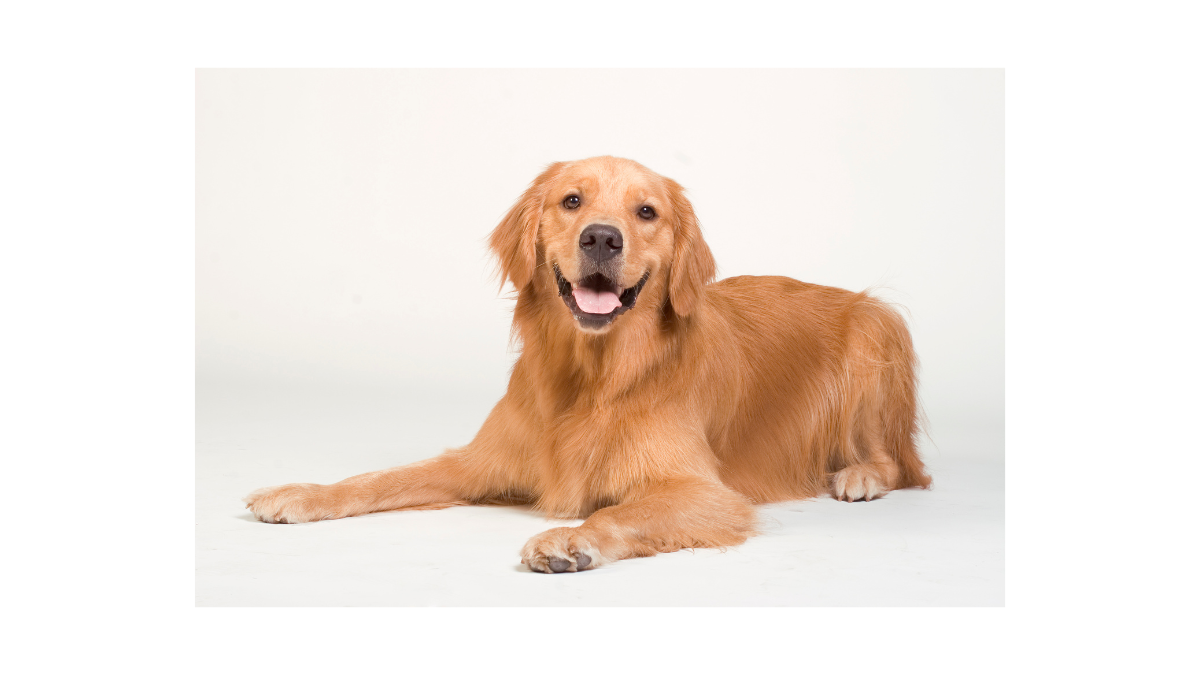
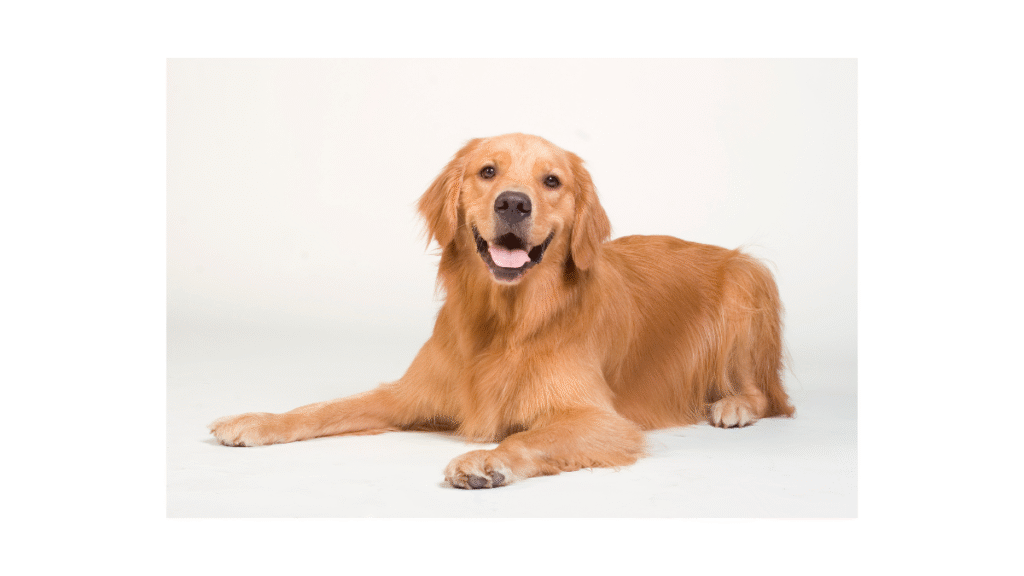
In Hyderabad, a sustainable-agritech startup is challenging HR orthodoxy—not with AI, but with Denver Pawlson, a cheerful Golden Retriever. Now titled the Chief Happiness Officer (CHO) at Harvesting Robotics, Denver is central to a culture-first experiment proving that emotional well-being can—and perhaps should—be part of business strategy.
The Power of Pet-Inclusive Culture
Denver’s employment is more than a whimsical gesture. The six-member team at Harvesting Robotics consciously adopted him to promote mental wellness, reduce stress, and improve day-to-day morale—especially important in high-pressure startup environments. Research backs this: offices with pets report improved engagement, collaboration, and even reduced burnout.
Beyond Perks: Embedding Empathy in Culture
Harvesting Robotics didn’t just bring a dog in; the team formalized Denver’s role—with perks, LinkedIn profile (“Chief Happiness Officer”!), and daily presence during meetings and break times. The result? Natural ice-breaking, cross-team connection, and organic emotional support. Unlike structured wellness initiatives, Denver offers unfiltered empathy—social lubrication with fur.
Why This Matters in 2025
Workforces today—especially younger talent—expect genuine care, not checklists. Emotional intelligence, belonging, and psychological safety are what keep top performers from quitting. Gen Z and millennials value workplaces that feel human, with happiness embedded in the everyday—not just highlighted during wellness week.
By making a pet a symbol of this ethos, Harvesting Robotics emphasizes that emotional agility and empathy aren’t soft skills—they’re competitive advantages.
A Simple Model with Complex Benefits
The impact isn’t hard to quantify:
- Stress reduction: A few moments with Denver can reset mental overload
- Social bonding: Shared laughter and pet breaks break silos
- Wellness normalization: It’s okay to pause, smile, and feel
For startups where every hour counts, investing in non-technical assets like Denver might seem counterintuitive—but it reflects a smarter, more sustainable culture strategy.
This unique move has caught the attention of both HR circles and mental well-being advocates, offering a playful yet powerful reminder: emotional wellness at work may need more than just policies and perks—it might need paws.
The Logic Behind the Fur
At a time when employee well-being has become a core differentiator for startups and workplaces, this young tech firm has taken a bold and endearing step to make joy and emotional connection a central part of its culture. Happy the retriever isn’t just a mascot—he’s part of the core workplace experience.
Research shows that animals in workspaces can reduce stress levels, improve interpersonal communication, and even lead to better retention by fostering a relaxed, people-first atmosphere. Google, Amazon, and other global players have long embraced pet-friendly campuses—India, though, is just catching up.
By integrating a full-time therapy dog into the everyday routine, this Hyderabad startup is signaling that employee mental health is not an afterthought—it’s embedded in the company’s DNA.
The Role of a Canine CHO
So, what exactly does a Chief Happiness Officer like Happy do?
- Greets employees daily, offering comfort, connection, and distraction from burnout.
- Helps new joiners acclimate to the workplace environment by easing social awkwardness.
- Becomes a bridge across departments, with employees from tech, HR, and marketing all making a pitstop at Happy’s “desk” (read: nap spot).
- Supports mental wellness breaks and contributes to building a more inclusive, emotionally intelligent culture.
For remote or hybrid workers, Happy also makes frequent cameos in video calls, lightening the mood in high-stress meetings.
More Than A Gimmick
While the appointment may look like a headline grabber at first glance, the CHO experiment is grounded in deeper HR intent: to rethink how workplaces support emotional safety. In fact, several Indian companies have now started wellness programs involving animal therapy, with firms in Bengaluru and Pune piloting “puppy days” or campus pet visits.
The timing also reflects a cultural shift—younger workforces increasingly want employers to take holistic well-being seriously. In such environments, even symbolic gestures can drive belonging and reduce burnout.
Where This Could Lead
Could this spark a broader workplace trend in India? Possibly.
With the rise of Gen Z workers, who value authenticity, emotional openness, and purpose over paychecks alone, unconventional approaches to happiness and engagement are likely to resonate. Startups, in particular, have the freedom to challenge norms—and in this case, the paws-itive energy might just be contagious.