
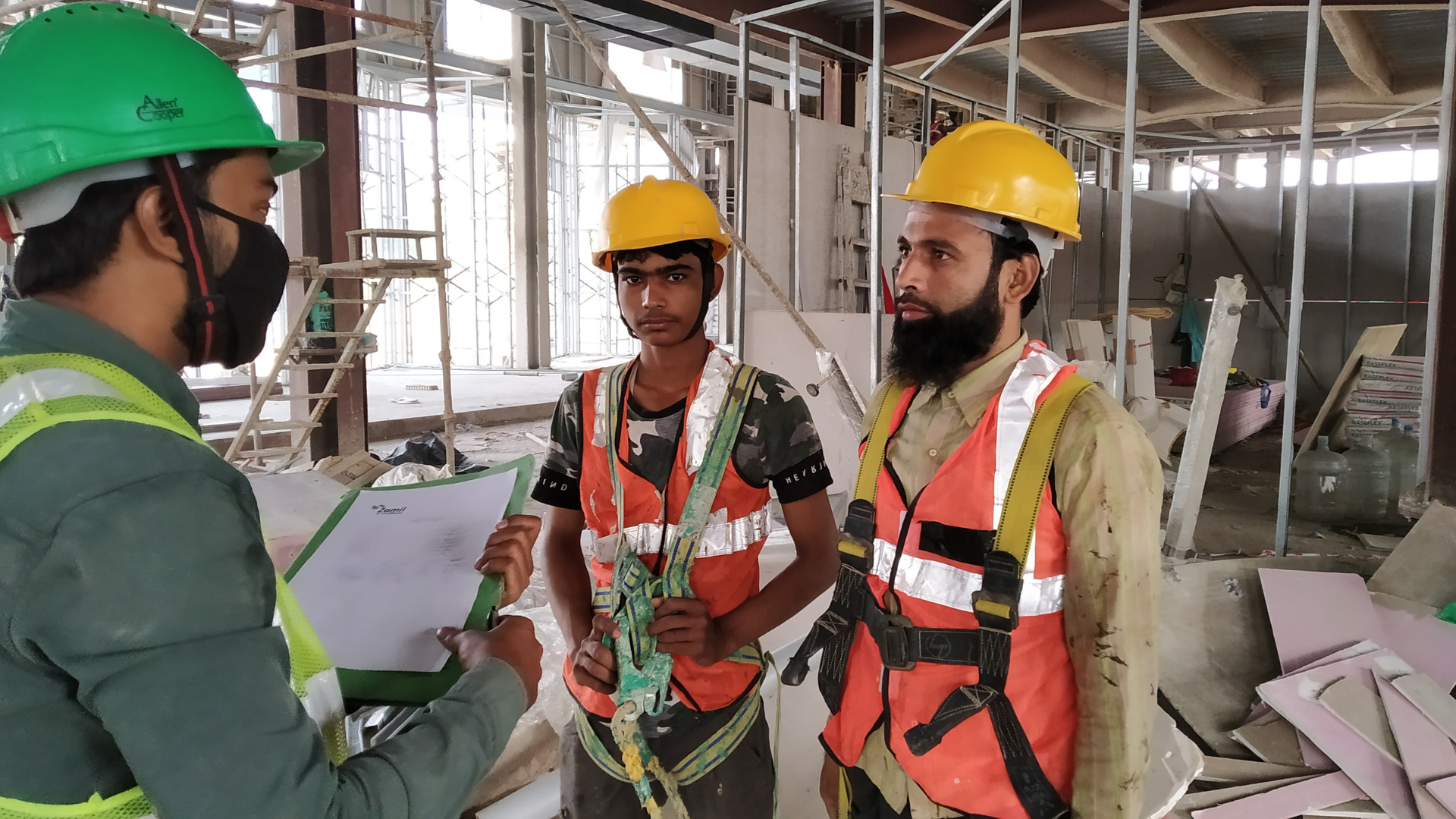
The Andhra Pradesh government, led by CM Chandrababu Naidu, has amended its labour regulations to extend the maximum daily working hours from nine to ten for employees in private firms and factories. This move aligns with the state’s agenda to boost industrial investment and improve business flexibility.
Key Provisions of the Amendment:
Permits night shifts for women with necessary safety measures
Extends daily work hours from 9 to 10 hours
Raises quarterly overtime cap from 75 to 144 hours
Mandates a six-hour uninterrupted stretch before a rest break
Opposition from Unions & Rights Groups
The policy has triggered strong pushback:
- The Human Rights Forum (HRF) called it “an assault on labour rights,” urging immediate reversal
- Trade unions and left parties described the change as exploitative and likened it to “modern-day slavery,” warning of worker fatigue and reduced rest quality
- Social media reactions stress concerns over “more hours, same pay” and diminished family time, placing worker welfare at risk
Government Defends Reform
Government officials argue that:
- The weekly working limit remains capped at 48 hours, avoiding cumulative work pressure
- The amendment aims to attract investment and job creation, and bring state laws in line with global development models
- Safeguards for women, such as night-time safety protocols, remain in place
What It Means
The reform reflects Andhra Pradesh’s economic growth strategy, prioritizing investor-friendly policies and labour flexibility. However, concerns persist regarding potential worker exploitation, mental health impacts, and enforcement gaps. With trade unions planning protests and legal reviews underway, the state now faces the task of balancing economic objectives with worker protections.